9+ curated guides • Updated July 2025
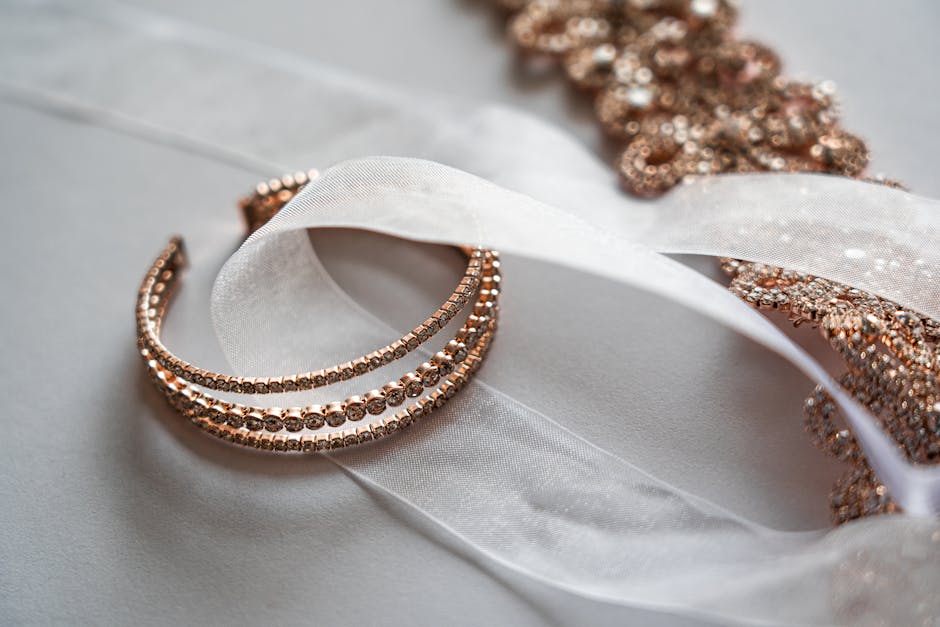
You've seen them everywhere: chunky 'mob wife' gold, delicate coquette bows, and hyper-functional utility bags. But what if these aren't just random trends dictated by runways? We're exploring the theory that our accessory choices are powerful economic indicators, revealing more about our anxieties and aspirations than the clothes we pair them with. This phenomenon, an evolution of the classic 'Lipstick Effect,' suggests that in times of economic uncertainty, we forgo large, expensive purchases for smaller, more affordable luxuries. Today, that luxury isn't just a tube of red lipstick; it's a statement earring, a silk scarf, or a bold belt. These are not mere decorations; they are non-verbal communicators of our collective psyche, broadcasting our need for security, comfort, and control in a turbulent world.
That sliver of fabric peeking over a designer gown isn't a wardrobe malfunction; it's a memo. From the red carpet to Instagram, the visible thong has been reborn not as a Y2K faux pas, but as a deliberate, strategic power play in the celebrity style arsenal. Forget the accidental flashes of the early 2000s. Today's iteration is a meticulously planned declaration of bodily autonomy and narrative control. This isn't about titillation; it's about dictating the terms of engagement in an era of relentless public scrutiny. We're witnessing the weaponization of nostalgia, where a once-maligned trend is redeployed with surgical precision to reclaim power, one hipbone at a time.
That 'We Buy Gold' sign feels like a simple solution, but behind the counter is a playbook designed to pay you as little as possible. Before you walk into any shop, you need to understand the psychological tricks and murky math they rely on. We're pulling back the curtain to show you exactly how to flip the script and get the price you deserve. For years, I was on the other side of that counter. I saw good people, often in a tight spot, walk away with a fraction of what their valuables were worth. Now, I'm here to arm you with the same knowledge they use against you, turning your old jewelry into a tool of empowerment, not a source of regret.
Ever feel like your online shopping feed is stuck on a loop, showing you the same five necklace styles and a slightly different version of that handbag everyone already owns? You're not imagining it; you're trapped in a 'style bubble' created by algorithms designed to sell you more of what you've already seen. But what if the most unique, truly 'you' accessories are hiding just outside that bubble, waiting to be discovered? This isn't just about shopping smarter; it's about reclaiming your digital identity and personal style from the machines that think they know you best.
By the time a major trend hits the shelves of big-box stores, it’s already oversaturated on social media. This frantic cycle can feel impossible for a small business to navigate. But what if you could turn that speed into your secret weapon, using strategically sourced wholesale accessories to get ahead of the curve and capture sales before anyone else? As a former fast-fashion buyer, I lived by a calendar that was six to nine months ahead of reality. We'd place massive bets on trends we hoped would land. Sometimes they did; often they didn't, leaving us with warehouses of unwanted inventory. Small boutiques don't have that luxury, but you have something better: agility. This article isn't about competing with the giants on their terms. It’s about creating a new game where you set the rules, using low-cost, high-impact accessories as your primary players.
Before 2012, the dream engagement ring for most was a round brilliant diamond in a stark platinum setting. Then, Blake Lively debuted a light pink, oval-cut diamond on a delicate rose gold pavé band, and without realizing it, the entire bridal industry was changed forever. This isn't just about one famous ring; it's about the single piece of jewelry that defined the next decade of proposals. It was a quiet coup, executed not in a boardroom but on a red carpet, that dethroned a century of tradition and handed the crown to personalization. In the world of luxury analysis, we look for these inflection points—moments that don't just follow trends, but create them. This was one of them.
You've read the glowing reviews: butlers who anticipate your every need, staff who remember your drink order after one day. But there's a secret gatekeeper to that onboard paradise, and it's often a frustrating, labyrinthine shore-side customer service experience. This is the insider's guide to conquering the pre-cruise maze to ensure the modern luxury you were promised. I've sailed with Celebrity more times than I can count. I'm a Captain's Club loyalist through and through because, once you step across that gangway, the experience is second to none. But I've also spent more hours on hold with their pre-cruise support than I'd care to admit. This isn't a complaint letter; it's a playbook. Consider me your seasoned guide who's found the cheat codes to a game that's notoriously difficult, but with a jackpot that's absolutely worth winning.
You see two gold necklaces: one for $300, one for $1,500. The cheaper one is the obvious choice, right? Wrong. We're going to introduce you to the single most important metric for smart shoppers—cost-per-wear—and reveal why that 'expensive' necklace might actually be the biggest bargain in the long run. This isn't about reckless spending; it's about strategic investing in your personal style. The initial sticker shock of a well-crafted piece of jewelry often masks its true, long-term affordability. We will deconstruct the factors that separate a fleeting trinket from a lifelong style companion, empowering you to analyze gold necklace designs not by their price, but by their enduring value and potential.
We value jewels for their flawless sparkle and brilliant color, but their true worth lies in their imperfections. Within the cloudy 'jardin' of an emerald or the carbon heart of a diamond lies a multi-billion-year-old story of unimaginable pressure and volcanic fury—a message from a time before life as we know it. Before they were cut and polished, before they were even discovered, these crystalline artifacts were silent witnesses to the birth of continents, the rage of volcanoes, and the slow, grinding dance of plate tectonics. They are not mere ornaments; they are Earth's oldest storytellers, and I am here to help you translate their silent, sparkling language.